Dans cet article
What are Solar Panels and How Do They Work?
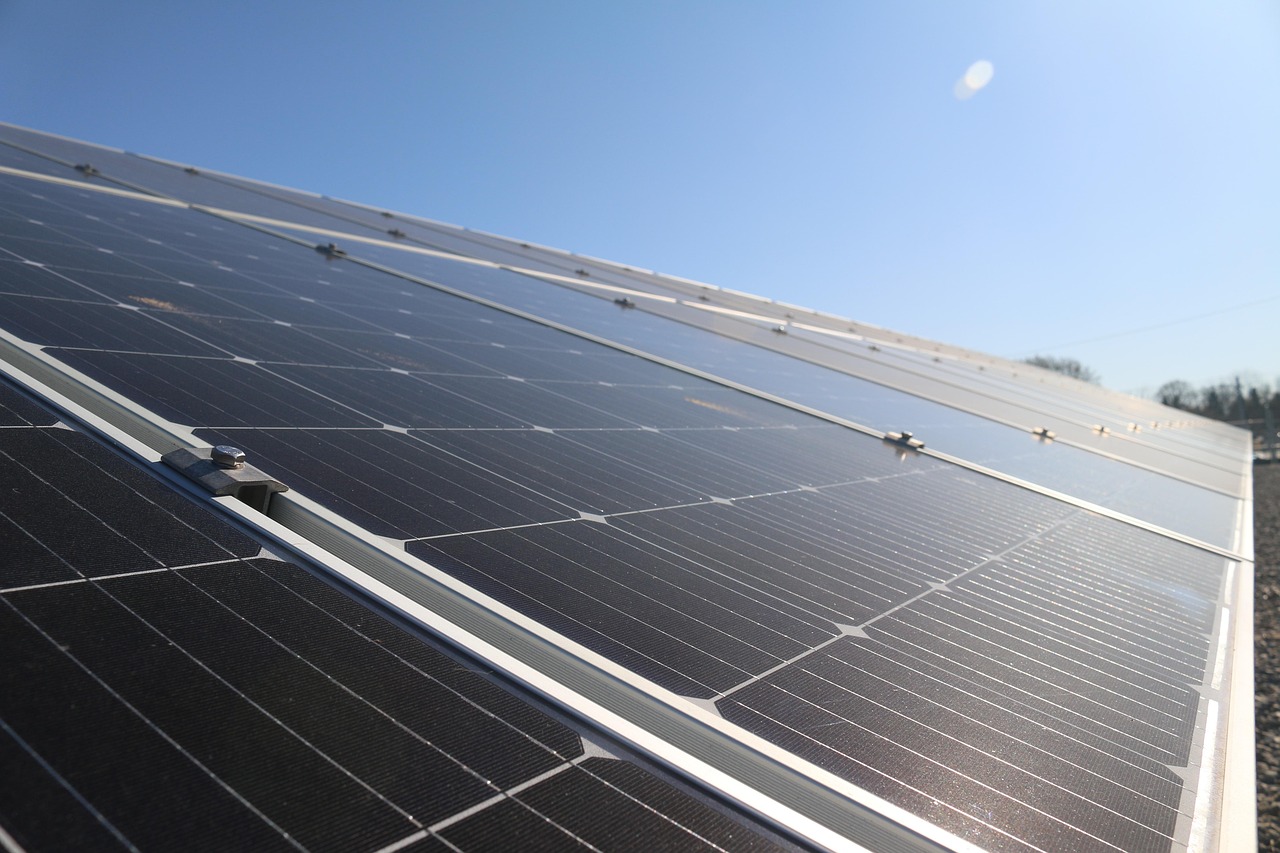
Solar panels, made up of photovoltaic cells, are a key component of solar power systems, allowing us to harness solar energy for various applications. These panels convert sunlight into electricity using the photovoltaic effect. This process involves the generation of electric current when these cells are exposed to sunlight. Most commonly installed in the form of a solar array on rooftops or in solar farms, these systems represent a sustainable and renewable energy solution for homeowners and businesses alike.
Key Features of Solar Panels
A solar panel serves several essential functions:

- Electricity Generation: The primary purpose of a solar panel is to convert sunlight into usable electricity, which can power homes and businesses.
- Integration with Inverters: A solar inverter is crucial in a solar installation, converting the direct current (DC) produced by panels into alternating current (AC) that can be used in most home appliances.
- Energy Storage Options: For those interested in off-grid solar solutions, solar batteries can store excess energy generated during sunny days for use at night or during cloudy periods.
Types of Solar Panels: Monofacial vs Bifacial
Solar panels come in various types, with bifacial panels gaining popularity due to their efficiency. A bifacial solar panel utilizes photovoltaic cells on both sides, allowing it to capture sunlight reflected off surfaces like roofs or the ground. While more expensive than traditional monofacial panels, they can enhance energy production, especially in environments with high albedo.
Why Choose Solar Energy?
Switching to solar energy involves notable benefits that contribute to both the environment and your finances. Using renewable energy significantly reduces your carbon footprint, promoting cleaner air and sustainable practices. Here are a few reasons to consider:
- Reduction in Energy Bills: Solar panels can drastically lower your electricity bills, allowing you to save significantly over time.
- Return on Investment: With solar energy becoming more affordable, the average payback period is decreasing, making it a lucrative investment.
- Increased Property Value: Homes equipped with solar installations often see an increase in property value, reflecting the rising demand for energy-efficient features.
How to Size a Solar Installation?
Determining the right size for your solar system is crucial to ensure maximum efficiency and savings. The sizing process involves considering your energy needs, the amount of sunlight your area receives, and the characteristics of your home.
Calculating Energy Needs
Start by analyzing your average monthly energy consumption, typically measured in kilowatt-hours (kWh). This information can usually be found on your energy bills. Understanding this metric helps in estimating the size of the solar power system required to meet your demands.
Prêt à concrétiser votre vision ?
Discutons de votre projet de panneau solaire en anglais dès aujourd'hui avec nos experts certifiés.
Contacter un SpécialisteAssessing Sunlight Exposure
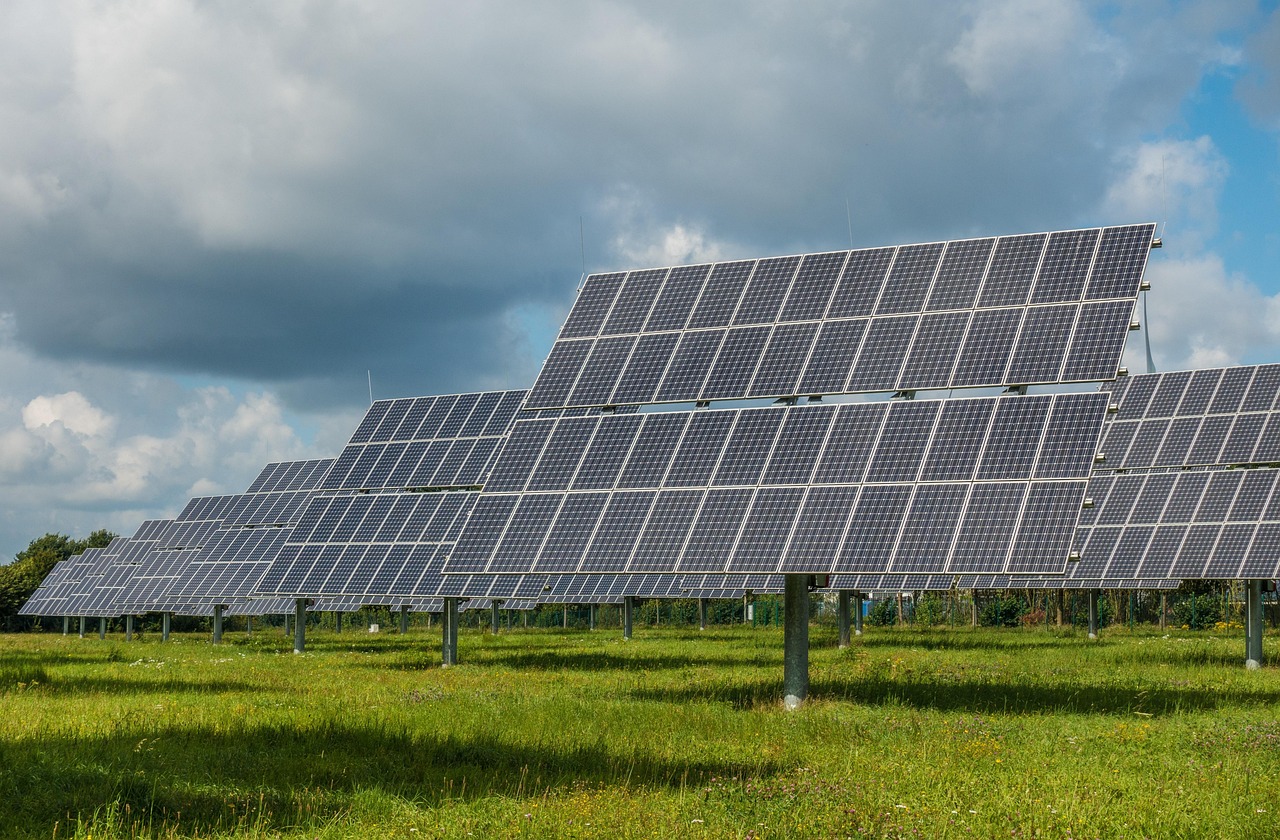
The efficiency of your solar panel system heavily depends on your location's sunlight exposure. Generally, regions with more sunny days yield higher energy production. A solar power system's energy output can be optimized by taking advantage of solar trackers, which adjust the panel's angle according to the sun's position.
Installation Process: What to Expect
Installing solar panels involves several steps to ensure a safe and efficient setup. It's typically recommended to hire a certified installation company. Here's what you can expect during the process:
- Site Assessment: A professional will evaluate your roof and local regulations, determining the best solar installation fit for your property.
- System Design: After the assessment, a customized solar power system will be designed based on your energy needs.
- Installation: Qualified technicians will install the panels, inverters, and any additional components like batteries or solar trackers.
- Grid Connection: If you're opting for a grid-tied system, the installation will include connecting your system to the utility grid.
- Final Inspection: Once installed, local authorities or utility companies will conduct an inspection to ensure compliance with regulations.
Energy Efficiency and Maintenance of Solar Panels
Maintaining high energy efficiency in your solar power system is crucial. Over time, dust, debris, and environmental factors can affect performance.
Regular Maintenance Checks
It's advisable to schedule regular maintenance checks to ensure that the panels operate at optimal levels. Maintenance tasks may include cleaning the panels, inspecting the inverter, and ensuring there are no obstructions affecting sunlight exposure.
Performance Monitoring
Investing in a performance monitoring system can provide real-time data on your solar installation’s energy production, allowing you to address potential issues promptly.
Financial Incentives and Aids for Solar Installations
Incentives significantly enhance the affordability of solar energy solutions. Homeowners may benefit from various financial aids when investing in solar installations:
Vos travaux de panneau solaire en anglais au meilleur prix
Comparez nos tarifs et profitez d'une installation aux normes, rapide et au meilleur rapport qualité/prix.
Voir les Tarifs- Prime à l'autoconsommation: This financial aid is given to homeowners who consume part of their generated electricity and sell the surplus, with the amount contingent on the system's power.
- Obligation d'achat (EDF OA): Homeowners have the option to sell their entire production or surplus at a fixed state-regulated rate for 20 years, ensuring predictable income.
- TVA Réduite à 5,5 %: This applies to installations under 9 kWc if made from certified low-carbon materials and equipped with production monitoring tools, enabling lower initial costs.
- Exonération d'impôt sur le revenu: For installations under 3 kWc, revenues from surplus sales are exempt from income tax, fostering a more attractive financial environment.
Frequently Asked Questions
How long does it take to install solar panels?
The installation of solar panels typically takes one to three days, depending on the size of the system and the configuration of your roof.
Do I need a permit for solar panel installation?
Yes, most regions require a permit for solar panel installation. It is best to check with your local authorities for specific requirements.
What happens if it’s cloudy or at night?
Solar panels generate less electricity on cloudy days, but they still produce some energy. During the night, solar battery storage or grid connections can provide electricity.
How do I choose a reputable solar installer?
Look for certified companies with good reviews and comprehensive warranties to ensure quality installation and service.
Is solar energy suitable for all homes?
While solar energy is beneficial for most homes, factors such as roof orientation and local shading can influence the effectiveness of a solar installation.